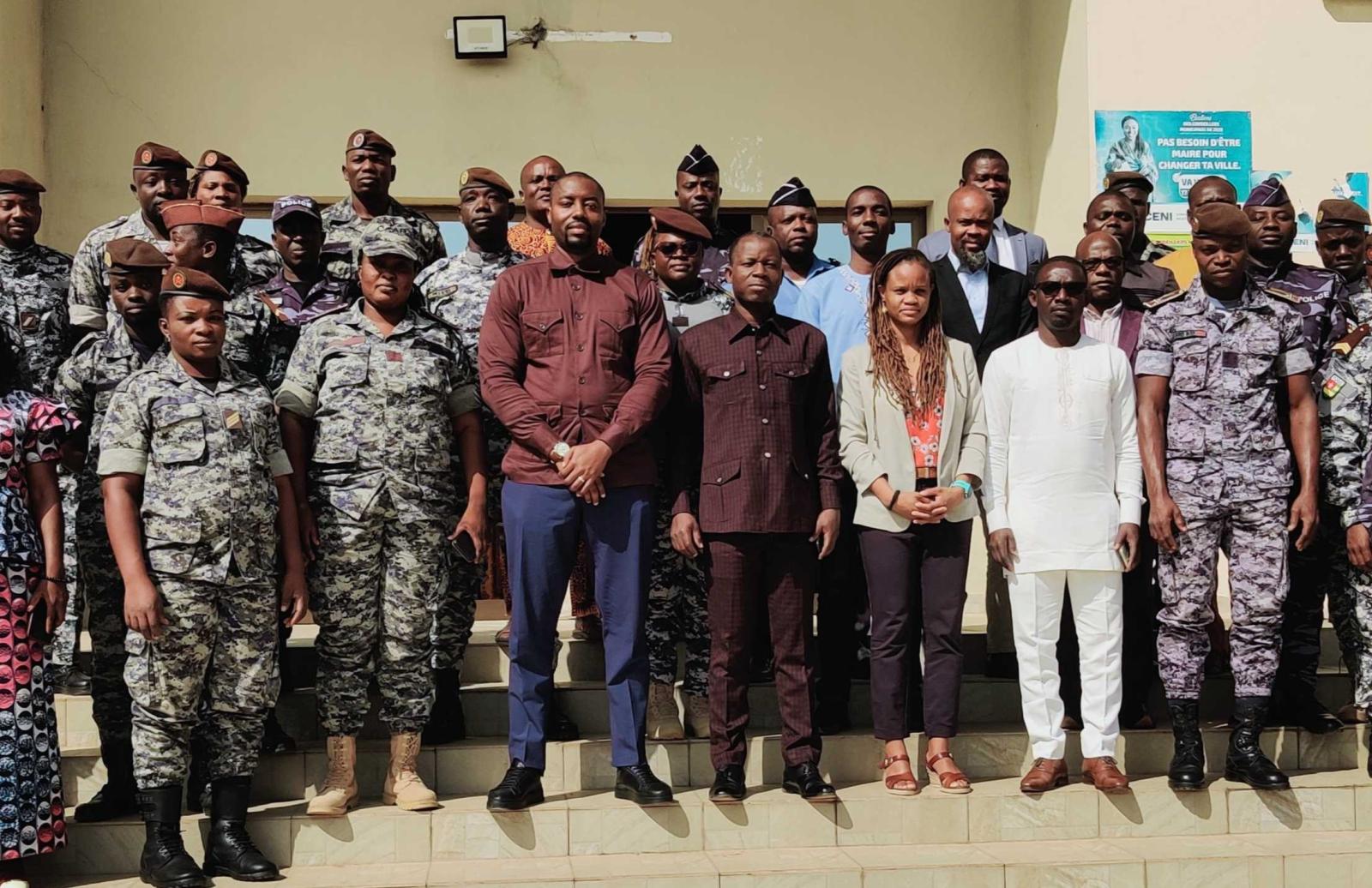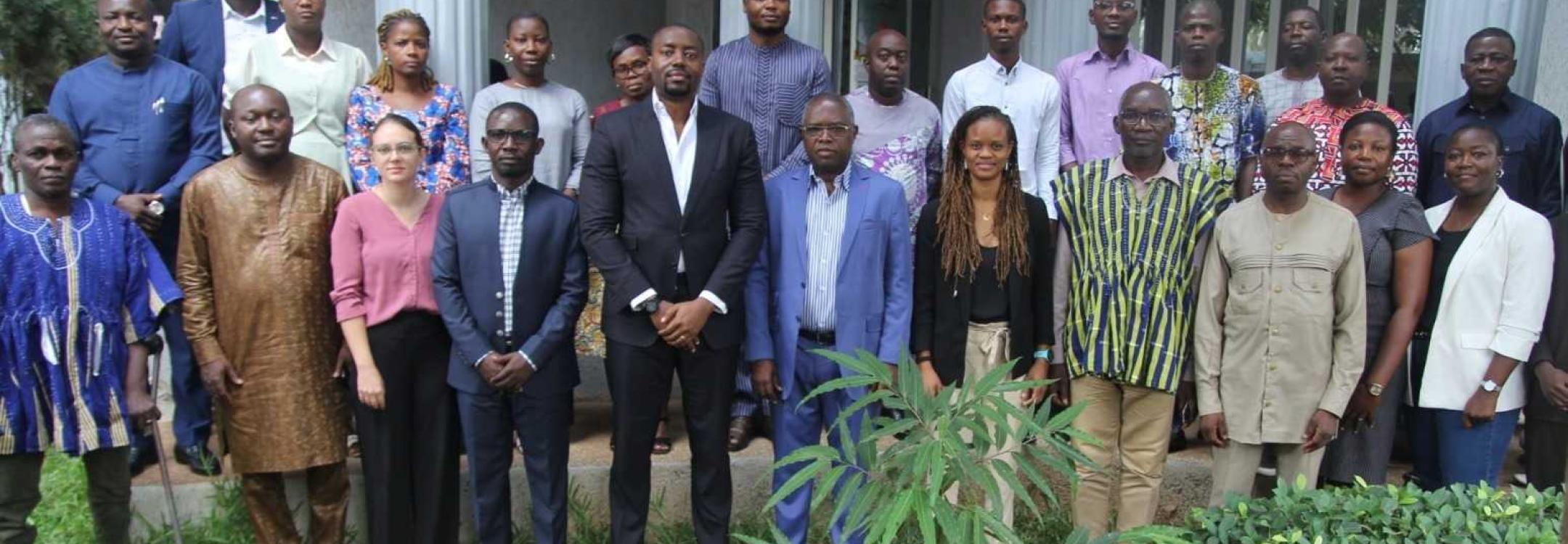
APT’s November 2025 mission to Togo highlighted a moment of opportunity for strengthening protection frameworks for person in situation of vulnerability including women and people with mental health conditions deprived of liberty. Through exchanges with authorities, justice actors, civil society and the National Preventive Mechanism, the mission helped illuminate areas where progress is already under way and where further support could reinforce national efforts.
Growing Engagement With the Bangkok Rules
Across meetings and trainings, it was evident that awareness of the Bangkok Rules is increasing among judicial and penitentiary actors. Judges, magistrates, police officers and prison staff in Kara and Sokodé expressed strong interest in understanding how the Rules can guide more tailored and effective decision-making for women and girls in conflict with the law. Several practitioners shared examples of recent cases in which considerations aligned with the Bangkok Rules had influenced judicial outcomes, especially where the wellbeing of children or the specific circumstances of women had been taken into account.
At the same time, participants openly discussed practical challenges in applying alternatives to detention, such as limited specialised facilities or delays associated with the ongoing reform of the Code of Criminal Procedure. These exchanges underscored a shared commitment to identifying practical solutions that can help ensure women’s and girl’s needs are appropriately addressed within the justice system.
Strengthening National Oversight and Collaboration
Meetings with the National Human Rights Commission and NPM reflected a clear sense of purpose as the institution refines its strategic direction. Priorities include enhanced training for law enforcement, developing tools to monitor the implementation of recommendations and strengthening cooperation with civil society. Recent peer exchanges, including a study visit with Benin’s NPM, were viewed as valuable opportunities for shared learning.
Discussions on prison population trends, including increases in women’s detention, were approached constructively. Stakeholders emphasised the importance of ongoing dialogue and joint reflection to ensure that detention conditions and safeguards continue to evolve in line with international standards.
Deepening Understanding of Mental Health in Detention
The roundtable on mental health brought together civil society and the NPM to explore how the national mental health strategy can complement efforts within places of detention. Participants highlighted both the progress achieved in recent years, such as new training pathways for specialised professionals, and the need for more detailed data to inform future action.
The exchanges demonstrated a strong interest in closer coordination between health and justice actors, particularly regarding early identification, appropriate referral and continuity of care. There was broad consensus that improving detention conditions can have a positive impact on mental wellbeing and that further collaboration would be beneficial.
A Renewed Basis for Partnership
Overall, the mission underscored the value of constructive engagement across institutions and sectors. Togo has taken important steps, notably through its national mental health strategy and growing interest in applying the Bangkok Rules. Stakeholders expressed openness to further dialogue, collaboration and technical support to strengthen protections for persons deprived of their liberty.
APT looks forward to continuing its partnership with national actors, supporting capacity building, contributing to strategic reflection and accompanying ongoing reforms aimed at reinforcing dignity, fairness and human rights within Togo’s justice system.